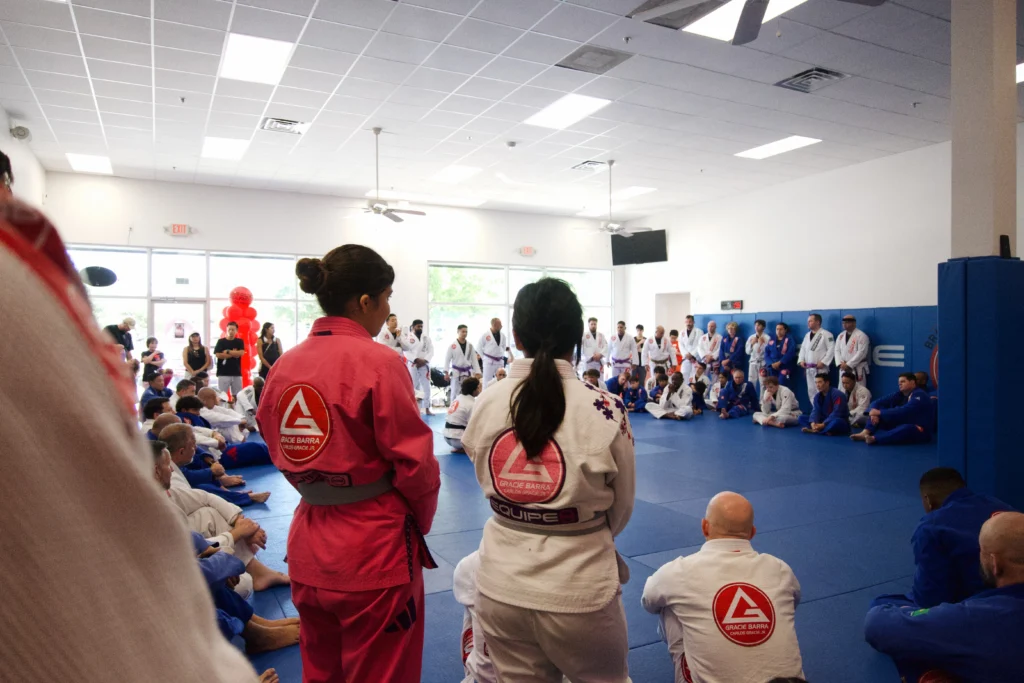
Your first class can introduce you to more than a new activity
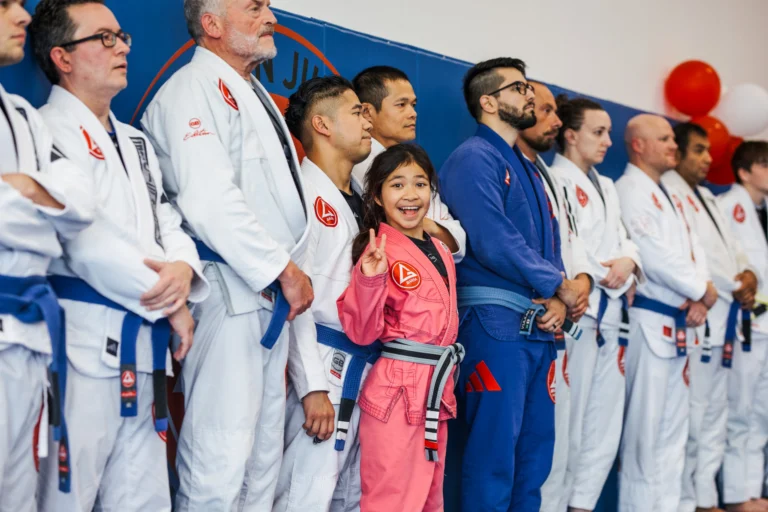
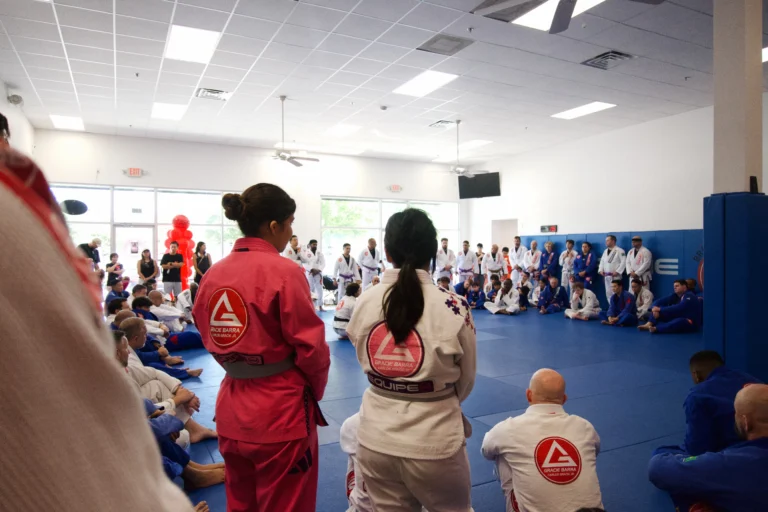
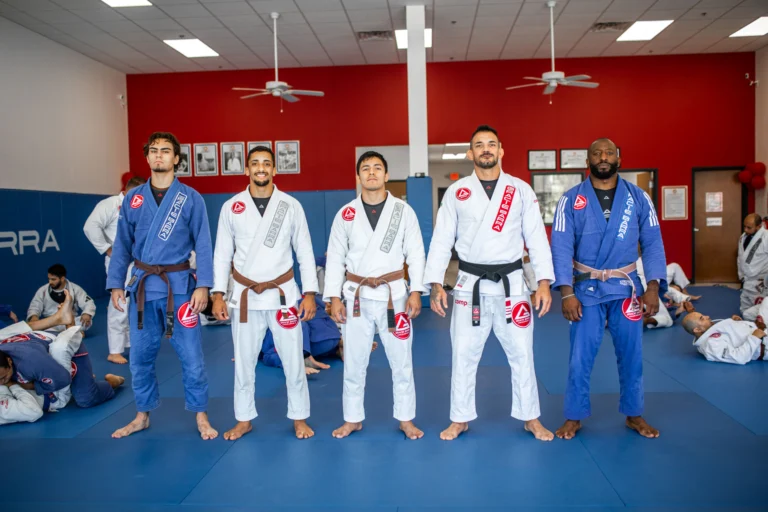
Starting Jiu-Jitsu alone can open the door to meeting people who share your interest in learning. You may arrive without knowing a name, then spend the class listening, practicing, and working alongside others. At Gracie Barra McKinney, the adult program gives beginners a starting point for both learning Jiu-Jitsu and getting to know the people on the mats.
If you would love to try a class but feel unsure about walking in by yourself, that first introduction can feel like the biggest step. The adult fundamentals program gives you a shared activity to begin with. Three simple habits can help you get to know the group: starting a conversation through practice, returning to familiar faces, and being a thoughtful teammate.
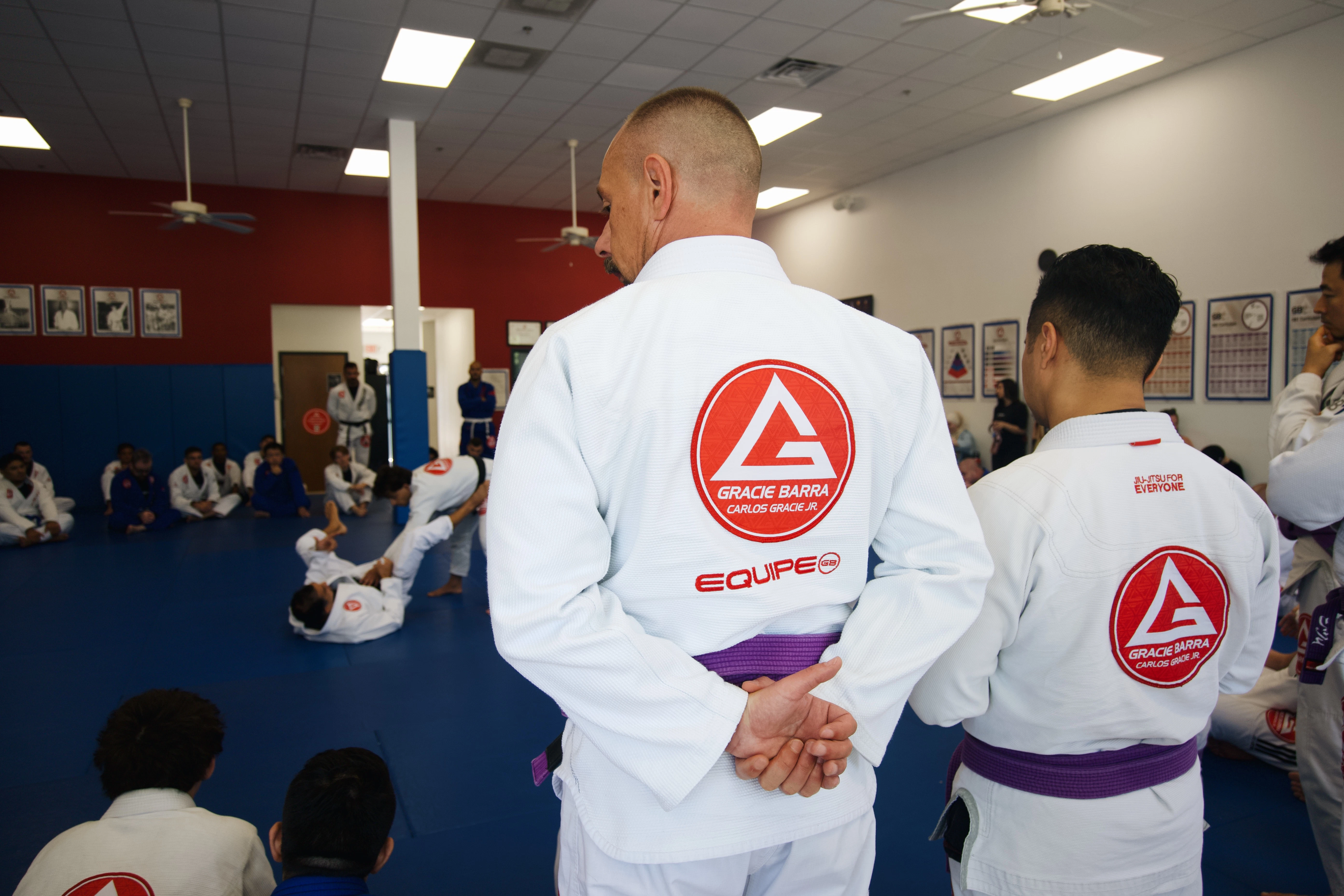
DISCOVER Gracie Barra McKinney
CLICK HERE1. Start a conversation through shared practice
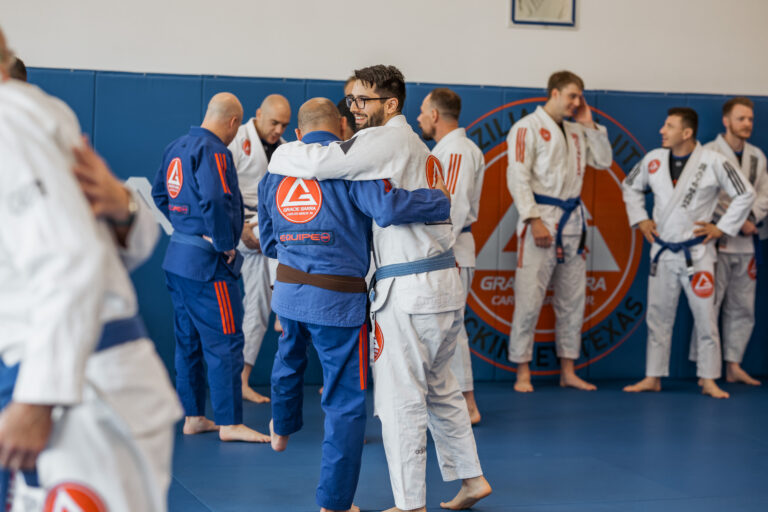
Meeting someone in a class is different from walking into a room where the only task is making conversation. In Jiu-Jitsu, there is an explanation to follow and a practice to share. Introducing yourself to a partner has an immediate purpose: you are about to help each other learn.
A simple exchange such as “Is this your first week too?” can begin a conversation. An experienced student might remember what starting felt like, while another beginner may have the same questions you do. Either encounter can give you someone to greet the next time you come.
That connection rests on respect and cooperation in class. Paying attention, taking turns, and thanking a partner are small ways of showing that their experience matters to you. They also give people a chance to get to know you through how you participate.
2. Let Jiu-Jitsu friendships grow through familiar routines
After the first introduction, returning gives a conversation somewhere to continue. A face becomes familiar, then a name becomes easier to remember. Over time, you may find yourself looking forward to hearing how a teammate’s week has been as well as learning in class.
Remember a name and pick up the conversation
Greeting someone by name is a small gesture that makes the next meeting more personal. If they mentioned that they were also new, ask how their next class went. A shared experience gives you something specific to talk about.
These exchanges can stay brief at first. What matters is the continuity: you recognize each other, remember a detail, and have another chance to talk. Friendship often has room to develop through those ordinary moments.
Get to know different training partners
Practicing with different people can widen your circle. One partner may be learning alongside you; another may have been attending for years. Each gives you a chance to hear a different perspective and become more familiar with the group.
When the class calls for partner practice, ask the instructor how to join in. An introduction to another student can become the start of a conversation that continues before or after future classes.
3. Be a thoughtful teammate
Friendship has room to grow when people enjoy spending time together and feel considered. During practice, that might mean listening when a partner asks to slow down, giving them time to ask a question, or recognizing the effort they put into learning.
At Gracie Barra McKinney, cooperation is part of the approach to learning. Across Gracie Barra, brotherhood and supporting others are central to the organization’s values. In class, you can put that spirit into practice by being attentive and communicating clearly, contributing to the group while you are still discovering the activity yourself.
Share encouragement as well as questions
A sincere “Thanks for helping me” acknowledges someone’s patience. Noticing that another beginner remembered something they struggled with can make them feel seen, too. Encouragement becomes more meaningful when it responds to a real moment you shared.
The supportive community around adult Jiu-Jitsu includes these exchanges between classmates. As you receive help and offer consideration in return, you begin participating in the relationships that make a group feel welcoming.
Starting Jiu-Jitsu alone: prepare to meet the group
Before attending, contact the academy about your first visit. Confirm which class is appropriate, what to bring, and whom to check in with. Knowing those details gives you more attention to spend on meeting people and following the class.
When you arrive, tell the instructor it is your first time and that you are looking forward to learning with the group. Introduce yourself to your partner and ask their name. Those simple steps give both of you a comfortable starting point.
If you are naturally quiet, an attentive conversation with one person is a good beginning. Ask what they enjoy about training, listen to their answer, and share what brought you in. There is plenty to discover in that exchange.
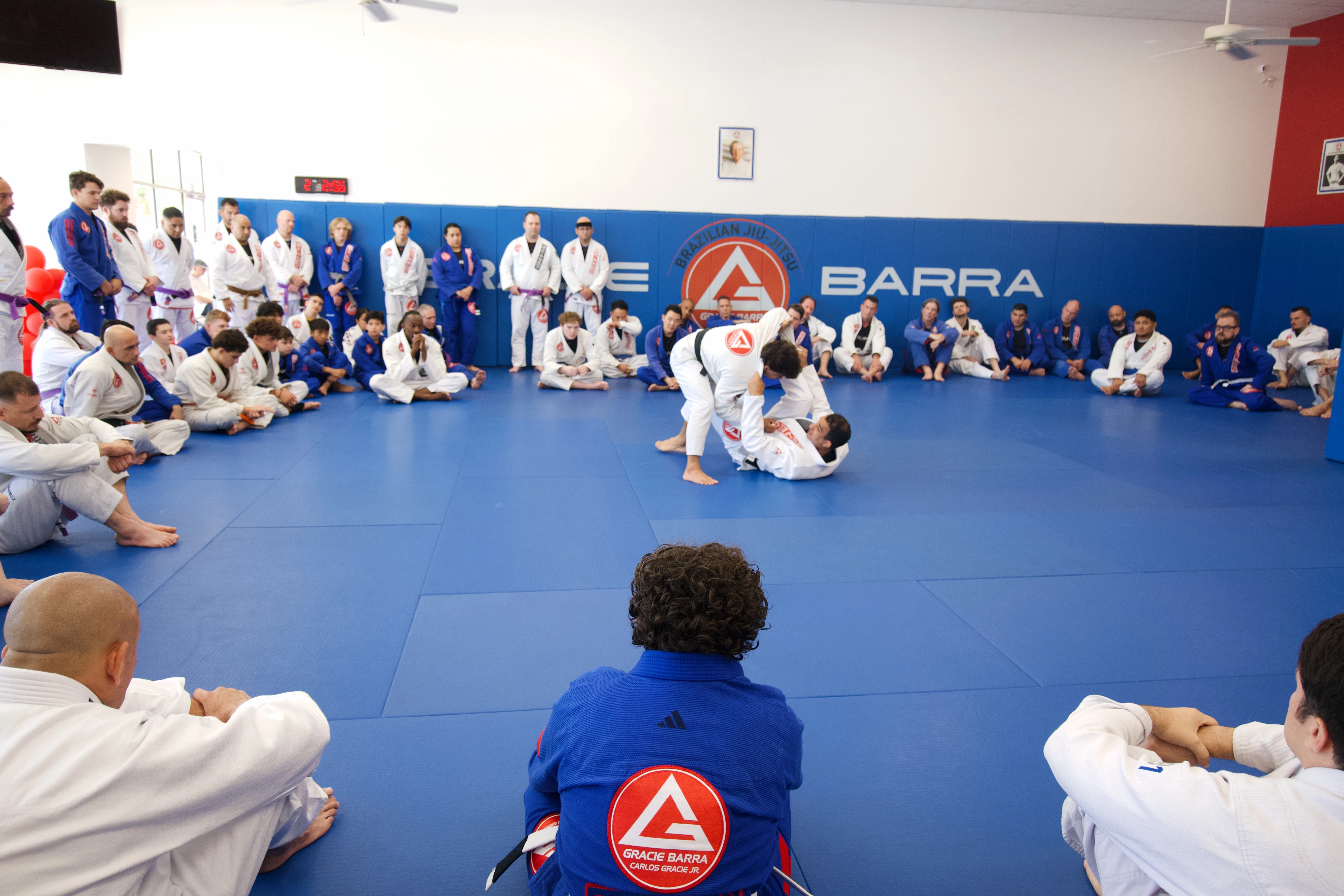
Give new connections a place in your week
Imagine returning after an enjoyable first visit. You recognize the person you practiced with, say hello, and hear that they found part of the class challenging too. What felt unfamiliar last time now includes someone with whom you already share a small experience.
Choose a suitable time from the current class schedule and confirm it with the team. A routine creates more opportunities to see familiar faces and continue conversations. You can also ask classmates which sessions they usually attend and look forward to learning together again.
DISCOVER Gracie Barra McKinney
CLICK HEREArriving by yourself can be the start of belonging
Starting Jiu-Jitsu alone at Gracie Barra McKinney can bring you into contact with people who share your interest in learning. The three habits work together: practice gives you a reason to talk, returning keeps those conversations going, and considerate teamwork helps you get to know one another.
Start with a greeting, a name, and a willingness to take part. The person you meet during that first class may become someone you enjoy seeing each week. Coming through the door on your own can be the first step toward having people to share the experience with.