Why Parents Are Looking Beyond Traditional Youth Sports
Every fall and spring, parents sign their children up for soccer leagues, swim lessons, or baseball teams hoping to burn off energy and teach teamwork. Yet after a few seasons, some kids get frustrated sitting on the bench, while others struggle with the pressure of constant scorekeeping. Exploring the specific benefits of BJJ for kids reveals why grappling has become a practical alternative for families who want steady, personal progress without relying on punches or kicks.
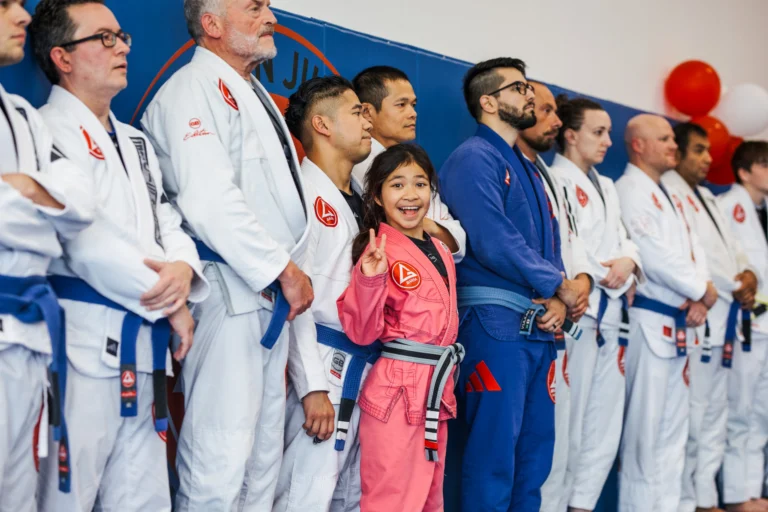
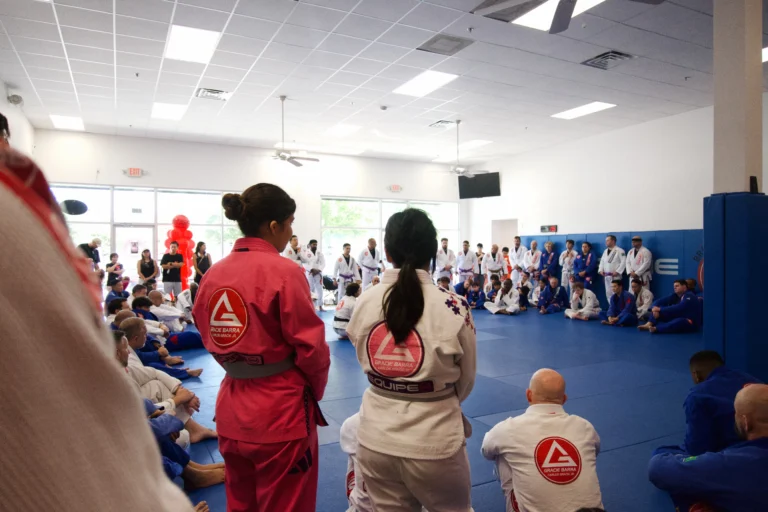
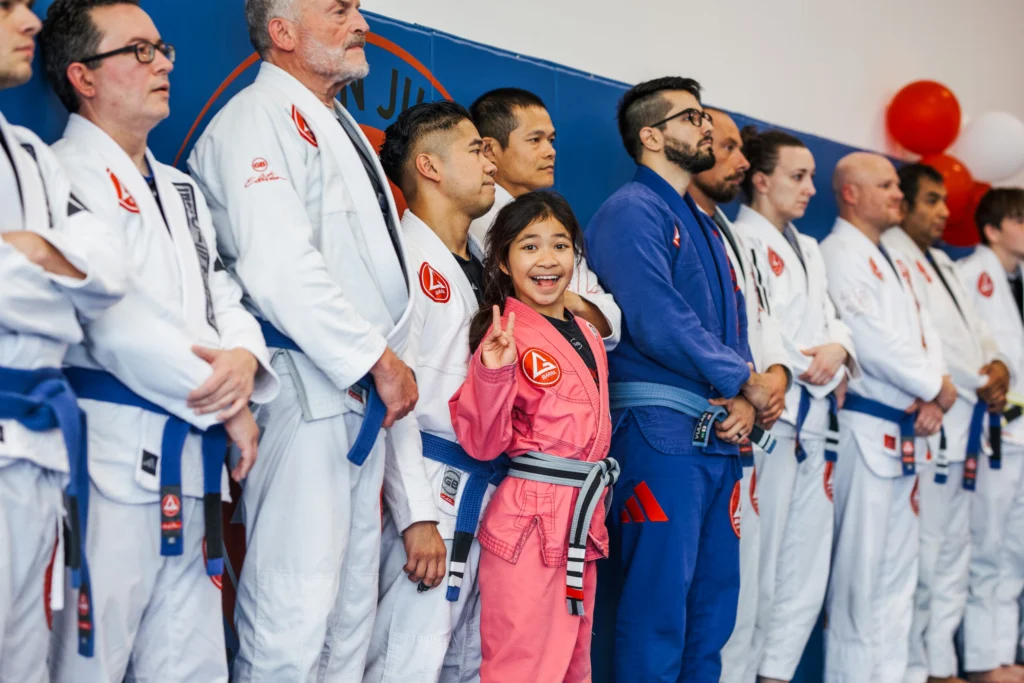
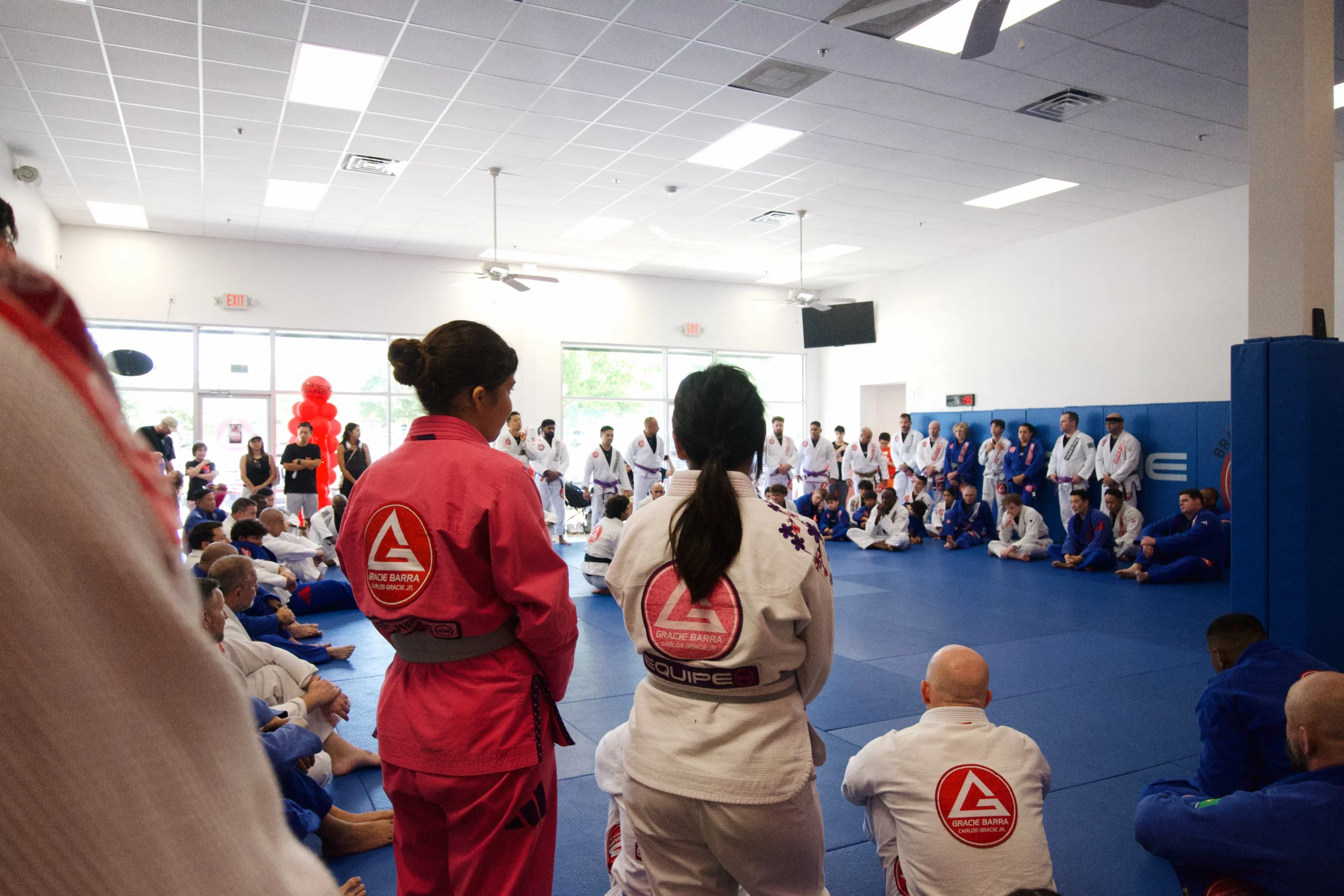
In McKinney, TX, busy school weeks leave limited hours for after-school activities, so choosing a program that genuinely holds a child’s interest matters. Stepping onto the mats at an academy like Gracie Barra McKinney gives children an active routine where every student participates fully from the warm-up to the final bow.
DISCOVER Gracie Barra McKinney
CLICK HEREPhysical Development and Calm Focus on the Mats
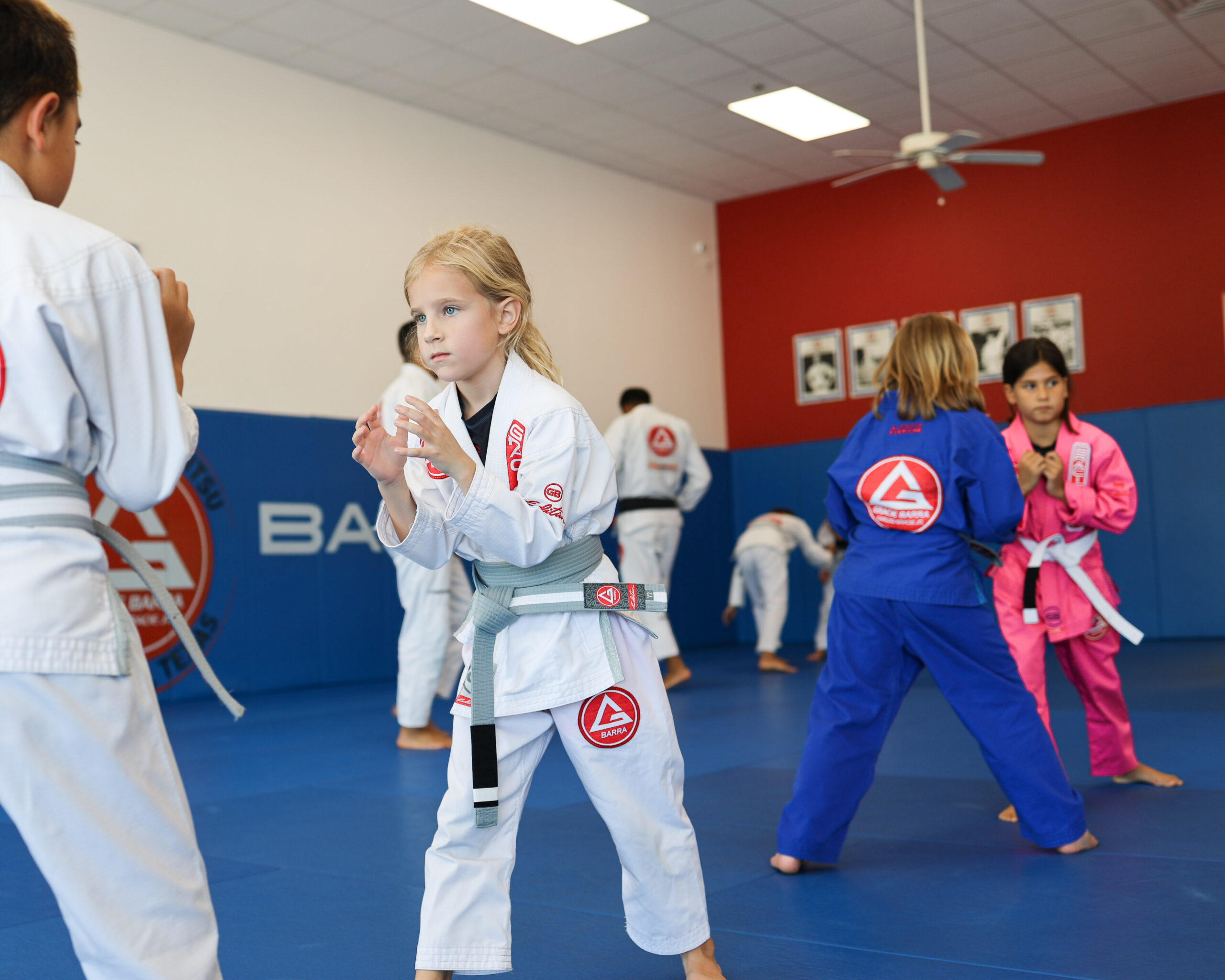
Before children ever learn a submission or escape, they spend time mastering how to move their own bodies safely across the floor. Brazilian Jiu-Jitsu for children uses warm-ups like forward rolls, hip escapes, and bear crawls that teach balance and spatial awareness in ways playground games rarely match. The first two core benefits show up quickly in both how kids carry themselves and how they pay attention.
1. Full-Body Coordination and Safe Falling Habits
Most kids spend hours seated at school desks or hunched over tablets, which leaves their balance and core stability underdeveloped. During kids martial arts classes, students practice tucking their chins and slapping the mat to absorb impact whenever they lose their footing. Learning how to fall without bracing with stiff arms protects them on the playground, on a bicycle, or in any other sport they play later.
Because grappling asks both sides of the body to push, pull, and pivot together, awkward movements gradually become smoother. Even children who consider themselves unathletic discover they can control their weight when given clear, repeatable steps.
2. Sustained Attention and Listening Under Structure
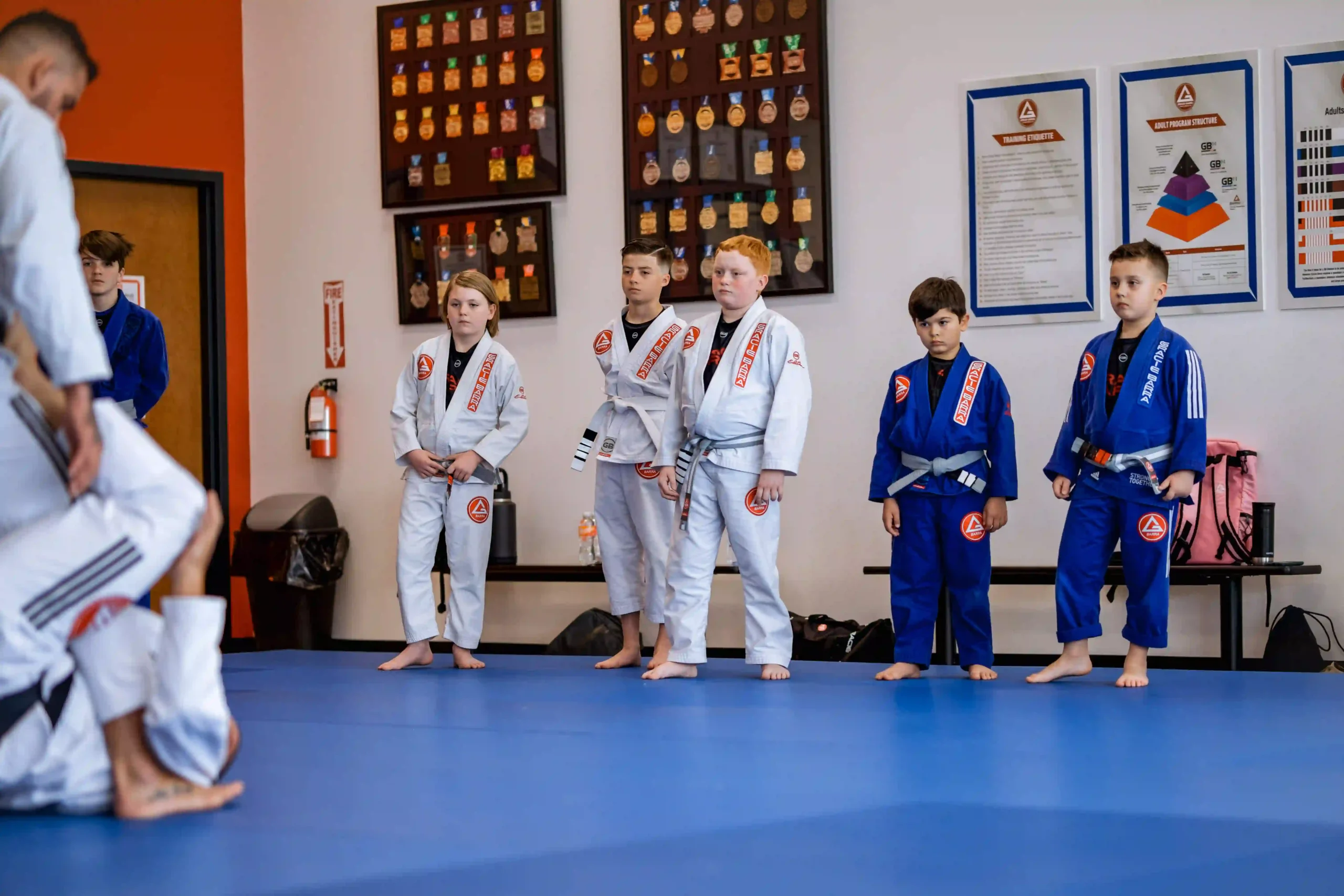
A typical youth session follows a predictable rhythm that removes guesswork for young learners. Students line up by rank, watch the instructor break down a movement into three or four clear steps, and then pair up to repeat that exact sequence. If a child stops watching halfway through the demonstration, they immediately notice the gap when they try the move with a partner.
That direct connection between paying attention and succeeding on the mat trains kids to listen carefully the first time. Many parents notice that this habit carries into quieter homework sessions and better classroom focus.
Emotional Resilience and Social Growth With Peers
Physical skills alone do not keep children coming back week after week; how they handle frustration and interact with classmates matters just as much. Grappling puts kids in close, controlled contact where they must solve problems while someone actively resists them. That environment naturally shapes the next two major advantages for growing minds.
3. Building Confidence in Children Through Earned Progress
During live partner drills, every child eventually gets pinned or swept, no matter how strong or fast they are. Instead of quitting or blaming a teammate, students learn to pause, protect their space, and work their way back to a safer position. Building confidence in children happens most reliably when they overcome a tough spot through their own effort rather than receiving empty praise.
When a quiet seven-year-old realizes they can escape from underneath a larger classmate using leverage, their posture changes off the mat too. They speak up more easily at school because they know how to stay composed when things feel uncomfortable.
4. Partner Respect and Accountability Without a Scoreboard
You cannot practice Brazilian Jiu-Jitsu by yourself, which means every student depends on their training partner’s cooperation and self-control. Kids learn early on to apply holds gradually and stop the instant a partner taps, reinforcing empathy alongside physical skill. At Gracie Barra McKinney, older or more experienced youth students regularly pair up with newcomers, learning patience while modeling good mat etiquette.
5. Practical Youth Self-Defense Skills Without Striking
Worries about schoolyard bullying push many parents to look for youth self-defense skills, yet few want their child learning to punch or kick classmates. Brazilian Jiu-Jitsu solves that dilemma by teaching kids how to manage distance, break wrist grabs, and hold an aggressive peer safely on the ground until an adult arrives. Because the focus stays on control rather than striking, a child can protect themselves without escalating a conflict or getting into trouble for throwing punches.
Equally important, children who feel capable of defending their personal space rarely feel the need to act tough around peers. Quiet assurance lowers anxiety and helps kids walk away from unnecessary arguments.
How to Help Your Child Settle Into Their First Month
Walking onto a martial arts mat for the first time can intimidate even outgoing kids, especially when everyone else already knows how to tie a belt or line up properly. Arriving ten minutes before class starts gives your child time to change clothes, use the restroom, and meet the coach calmly instead of rushing onto the floor mid-warm-up. Once class begins, stepping back to the parent viewing area lets the instructor establish leadership and helps your child build independence.
On the drive home, skip critiques about what they missed and ask which drill felt most fun or what new move they learned. Keeping the first few weeks light and encouraging helps consistency take root before you worry about stripes or promotions.
What to Look for When Visiting a Local Youth Program
Not every martial arts academy runs its youth classes the same way, so watching a live session before enrolling gives you valuable clarity. Look at how the coaches group students by age and size, how clean the mats appear, and whether instructors correct behavior calmly without yelling. A well-structured class balances clear discipline with enough energy that kids leave smiling and tired.
Pay attention to how current students treat each other during partner switches as well. When kids bow respectfully, check on partners after a drill, and listen promptly when the coach claps, you know the academy culture supports healthy growth.
DISCOVER Gracie Barra McKinney
CLICK HEREDeciding If Brazilian Jiu-Jitsu Fits Your Family
Looking closely at the five benefits of BJJ for kids shows why grappling appeals to parents seeking more than a seasonal pastime. From safe falling mechanics and sharper focus to earned self-assurance and non-violent self-defense, the lessons practiced on the mat carry directly into school and home life.
If your family lives in McKinney and you want to see how your child responds to structured grappling, visiting Gracie Barra McKinney for an introductory session is a practical next step. Watching your child try a beginner drill firsthand tells you far more than any brochure ever could.