

Common Habits: 10 Things Every White Belt Does in Jiu Jitsu
Starting Brazilian Jiu-Jitsu is an exciting adventure. It is also incredibly confusing. You step onto the mats for the first time. You wear a gi that feels like stiff cardboard. You try to move your body in ways it has never moved before. Every practitioner goes through this phase. Even the black belts were once clumsy beginners. There are certain behaviors that are universal. These are the things every white belt does. Recognizing them is the first step to fixing them. This guide will help you laugh at yourself and learn faster.
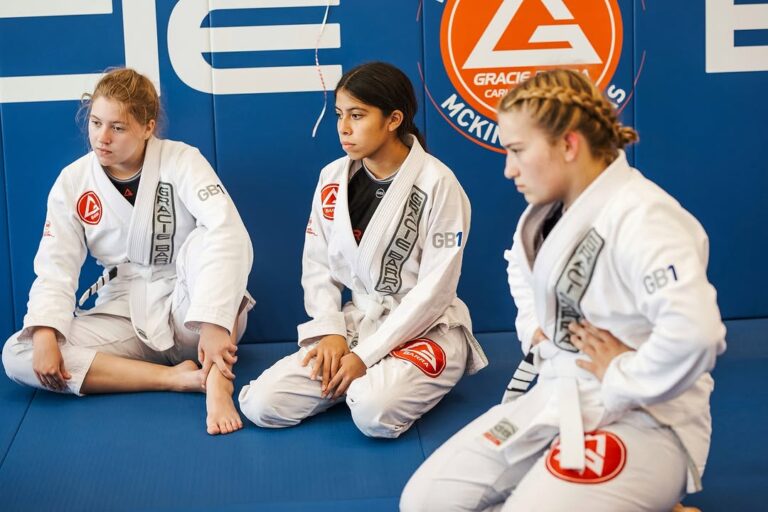
Brazilian jiu-jitsu in Mckinney
1. Using Strength Instead of Technique
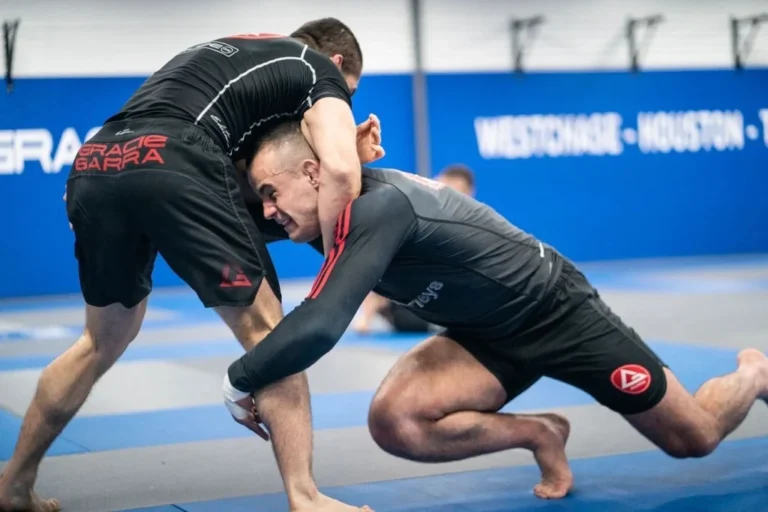
This is the most common rookie mistake. You do not know the technique yet. Therefore, you rely on your muscles. You try to bench press your opponent off you. You squeeze their head with all your might. This is often called “spazzing.”
It is natural to fight for survival. However, Jiu-Jitsu is designed to overcome strength with leverage. Using brute force is exhausting. You will gas out in the first minute of rolling. Moreover, it is dangerous for your training partners. Flailing limbs can cause accidental injuries.
Relaxation is key. Try to use only the energy necessary. Focus on the mechanics of the move. If you have to force it, you are probably doing it wrong. Trust the technique taught by your professor.
2. The Infamous Death Grip
White belts often grab the gi as if their life depends on it. They grip the collar or sleeve with 100% intensity. They hold on tight even when the grip serves no purpose. Consequently, their forearms burn out quickly.
Your hands will feel like claws the next day. You might even have trouble holding a coffee cup. This is a rite of passage. But you must learn to conserve your grip strength.
Grip with intention. Know why you are holding a specific part of the gi. If the grip is not helping you control or submit, let it go. Regrip somewhere more effective. Your fingers will thank you.
3. Holding Your Breath
Breathing seems like the most natural thing in the world. Yet, beginners forget to do it constantly. When the pressure is on, they hold their breath. They panic under side control and stop inhaling.
This deprives your muscles of oxygen. Your heart rate skyrockets. You feel panic setting in. This leads to premature exhaustion. You might tap out simply because you are out of breath.
Make a conscious effort to breathe. Focus on long, deep exhales. If you can control your breath, you can control your mind. Listen to your breathing during sparring. If you are panting uncontrollably, slow down.
4. Keeping Arms Fully Extended
Extending your arms straight out is a cardinal sin in BJJ. It is an invitation for an armbar. White belts often push their opponent’s chest with straight arms. They try to stiff-arm danger away.
A straight arm is a weak arm. It is easy to manipulate. Experienced partners will capitalize on this instantly. You will find yourself tapping to armbars repeatedly.
Keep your elbows close to your ribs. We call this “T-Rex arms.” Your elbows are your strongest frames. They protect your torso and prevent submissions. Keep your limbs safe and compact.
5. Neglecting the Guard Pass
Passing the guard is difficult. It requires balance, pressure, and agility. Beginners often avoid it. They prefer to play guard because it feels safer. Or they just hold on and stall.
However, passing is 50% of the game. You must learn to navigate the legs. Do not be afraid to engage. You will get swept. You will get submitted. This is part of learning.
Commit to the pass. Maintain your posture. Control the hips. At Gracie Barra McKinney, we drill passing sequences extensively. We teach you how to dismantle guards systematically.
6. Asking “What If” Questions
Curiosity is good. But “what if” questions can be a trap. “What if he punches me?” “What if he has a knife?” “What if he is 300 pounds?” These questions often distract from the lesson at hand.
Focus on the specific technique being taught. Understand the mechanics of that specific scenario. There is a counter to everything. But you cannot learn them all at once.
Master the fundamental movement first. The variations and counters will come later. Trust your instructor’s curriculum. They are building your knowledge brick by brick.
7. Trying YouTube Moves
The internet is full of flashy techniques. Flying triangles and rolling back takes look cool. White belts watch these videos and try them in class. Usually, it ends in disaster.
You lack the fundamental understanding to execute these moves. You might hurt yourself or your partner. It is like trying to sprint before you can crawl.
Stick to the basics. Learn a solid closed guard. Master the cross-collar choke. Drill the scissor sweep until it is automatic. These “boring” moves work at the highest levels. Leave the flying attacks for later belts.
8. Avoiding the “Big Guys” or Higher Belts
It is intimidating to roll with the largest person in the room. It is scary to spar with a purple belt. White belts often seek out other white belts. They want a fair fight.
However, rolling with higher belts is the best way to learn. They have control. They will not hurt you. They will often let you work and then gently exploit your mistakes. You learn more from a smooth loss than a messy win.
Similarly, training with larger partners teaches you about weight distribution. It forces your technique to be perfect. Do not shy away from challenges.
9. Inconsistent Attendance
The “Blue Belt Blues” are famous, but white belt attrition is high too. Beginners get sore. They get bruised. Their ego takes a beating. Consequently, they start skipping classes.
Consistency is the secret sauce. You cannot learn Jiu-Jitsu once a week. Your body forgets the movements. You fall behind your peers. This leads to discouragement and eventually quitting.
Set a realistic schedule. Treat class like an important appointment. Even if you are tired, just show up. Consistency beats intensity in the long run.
10. Not Tapping Early Enough
Ego is the enemy. White belts often refuse to tap. They think they can muscle out of a tight armbar. They hold their breath in a choke until the lights go out. This is dangerous.
There is no shame in tapping. It resets the game. It prevents injury. If you get hurt, you cannot train. If you cannot train, you cannot get better.
Tap early and tap often. Acknowledge that your partner caught you. Learn from it. Analyze how you got there. Then restart and try not to make the same mistake.
Overcoming the White Belt Phase
Recognizing these habits is crucial. You will likely do all of these things at some point. That is okay. Awareness allows you to correct course.
Be patient with yourself. Jiu-Jitsu is a marathon, not a sprint. Focus on small victories. Did you breathe better today? Did you keep your elbows in? That is progress.
Listen to your instructors. They have seen thousands of white belts. They know exactly what you are going through. They are there to guide you through the awkward phase.
Start Your Journey Correctly
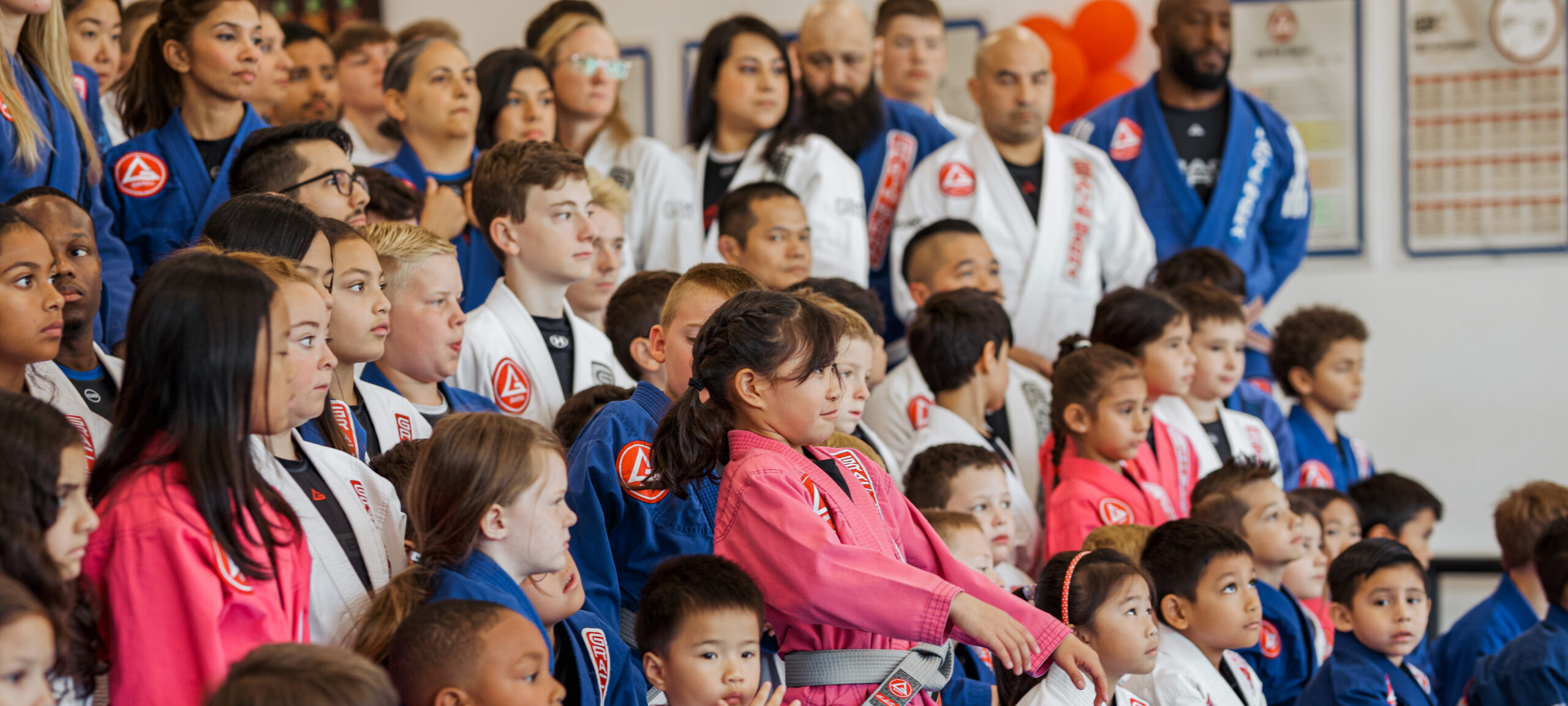
The environment you train in matters. A supportive academy helps you overcome these hurdles. You need structured guidance to avoid bad habits.
Brazilian jiu-jitsu in Mckinney
We specialize in helping beginners. Our fundamentals program is designed for you. We break down the complex art into manageable pieces. You will learn safely and effectively.
Are you ready to embrace the journey? Stop making rookie mistakes alone. Join a team that cares about your growth. Visit us at Gracie Barra McKinney to schedule your first class. Let’s turn those white belt habits into black belt technique.